


The project involves the redevelopment of urban spaces, pathways and rest areas along the historic “Lucera–Castel di Sangro” route. The intervention aims to restore the value of a historic trail deeply rooted in the heritage and identity of the Molise region.
Used for centuries as a route for the seasonal movement of livestock, known as transhumance, the ancient tratturo is being brought back to life through a project that enhances its cultural and landscape significance. The historic trail preserves the traditions and identity of the local communities, offering a tangible connection with the region's past.
The redevelopment brings together natural and historical elements, creating a meaningful connection between the landscape and its cultural heritage. Every step along the route offers an opportunity to rediscover the history and traditions that have shaped the surrounding area.
Sustainable Walking and Cycling
The project promotes sustainable forms of mobility, including walking and cycle tourism, making the historic route accessible to visitors seeking an authentic experience immersed in nature.
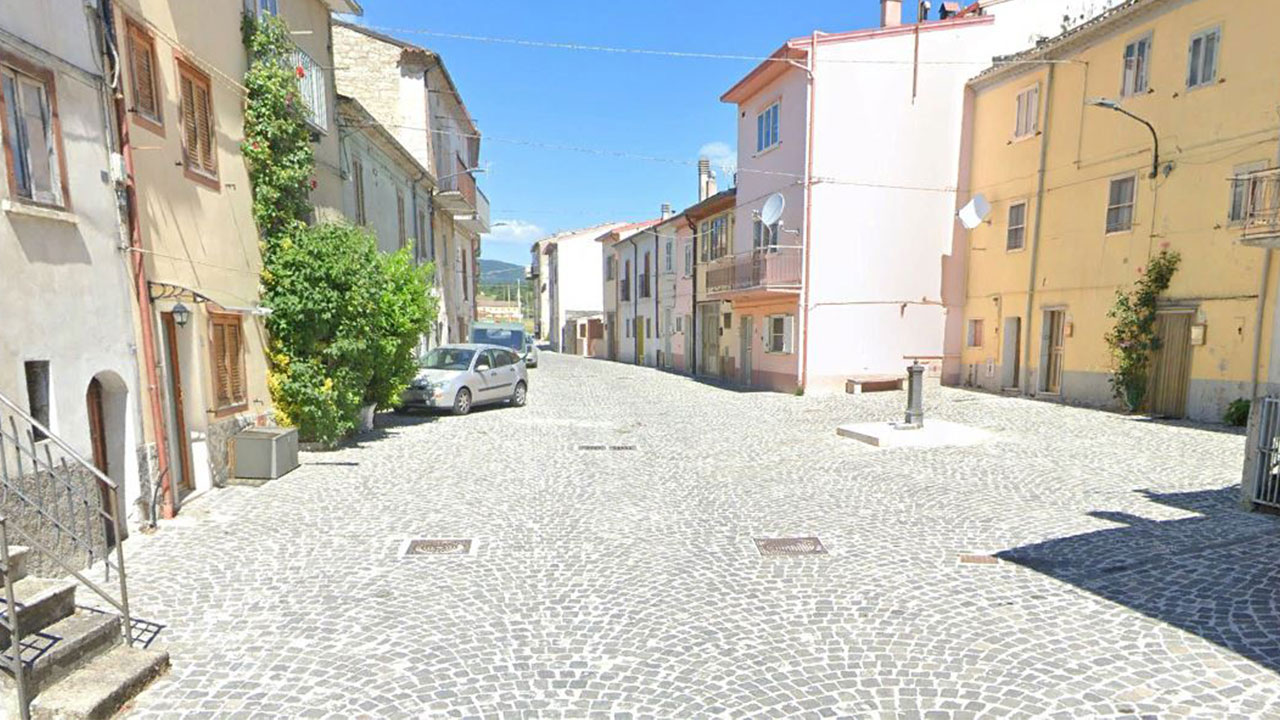
Rest Areas and Community Spaces
Rest areas along the route are designed as welcoming spaces where visitors can stop, meet and share experiences. These spaces encourage relaxation, observation and social interaction, enriching the overall experience of exploring the historic trail.
Modern Design.
Through a unique combination of engineering, construction and design
Luxurious Facilities.
Through a unique combination of engineering, construction and design
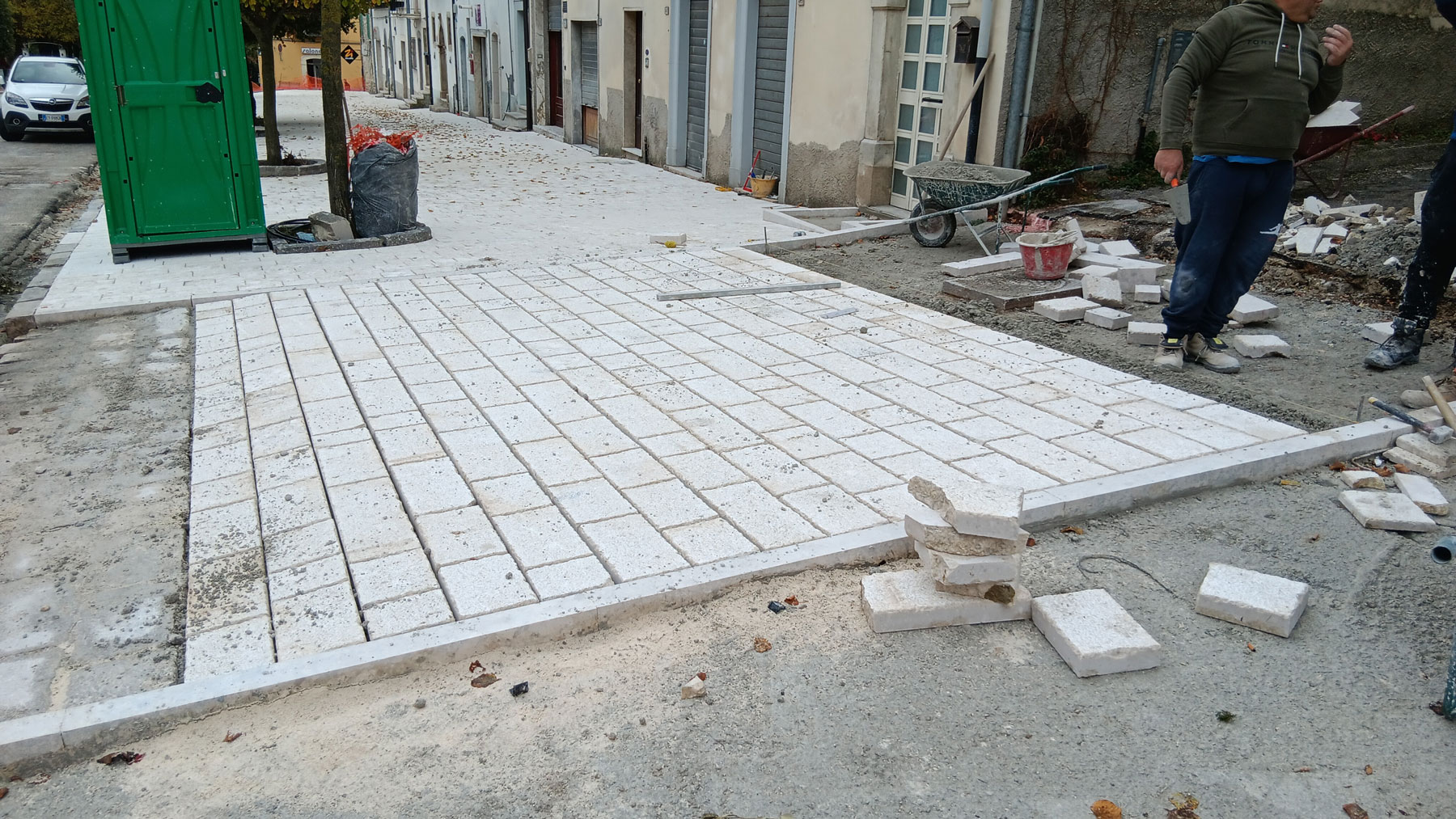
Bringing together history, nature and local communities, the project transforms the “Lucera–Castel di Sangro” transhumance route into a vibrant, accessible itinerary. An ancient pathway becomes a valuable resource for the future, preserving the region's heritage while creating new opportunities for sustainable tourism and community engagement.