

Portici Multi-Storey Car Park
In Portici, near Naples, Corbo Group has delivered an underground car park that brings together innovative construction techniques, urban regeneration and respect for archaeological heritage. The project provides 80 parking spaces in a densely populated historic centre, while creating a new public square and green space for the local community.
Design, technology and environmental responsibility come together in the multi-storey underground car park developed by Corbo Group in Portici, in the province of Naples. Located in one of Europe's most densely populated urban areas, the project addresses the challenge of providing new parking facilities within an established historic centre, while preserving the surrounding urban environment. The development also included the creation of a new public square with greenery and seating, providing residents with a welcoming space for social interaction.
The project originated from an initiative by the Municipality of Portici, developed through a project finance arrangement. In 2014, Corbo Group became a financial partner through Easy Parking, the company involved in the public tender covering the design, construction and subsequent operation of the facility. This integrated approach enabled the project to be managed across its entire lifecycle, bringing together financial investment, technical expertise and long-term operational responsibility.
One of the project's most distinctive features was the use of the top-down construction method, which enabled excavation and construction to progress from ground level downwards.
This approach made it possible to complete and open the new public square before beginning the excavation of the underground parking levels.
As Roberto Corbo explains:
"This approach allowed us to deliver the new public square and green space to the city first, minimising disruption to residents. We are pleased to have created a small green heart in the city centre, with benches and a square that has also become a meeting place for young people. Only afterwards did we begin excavation and construction of the underground car park, located just a short distance from the waterfront."
Engineering Within a Historic Urban Environment
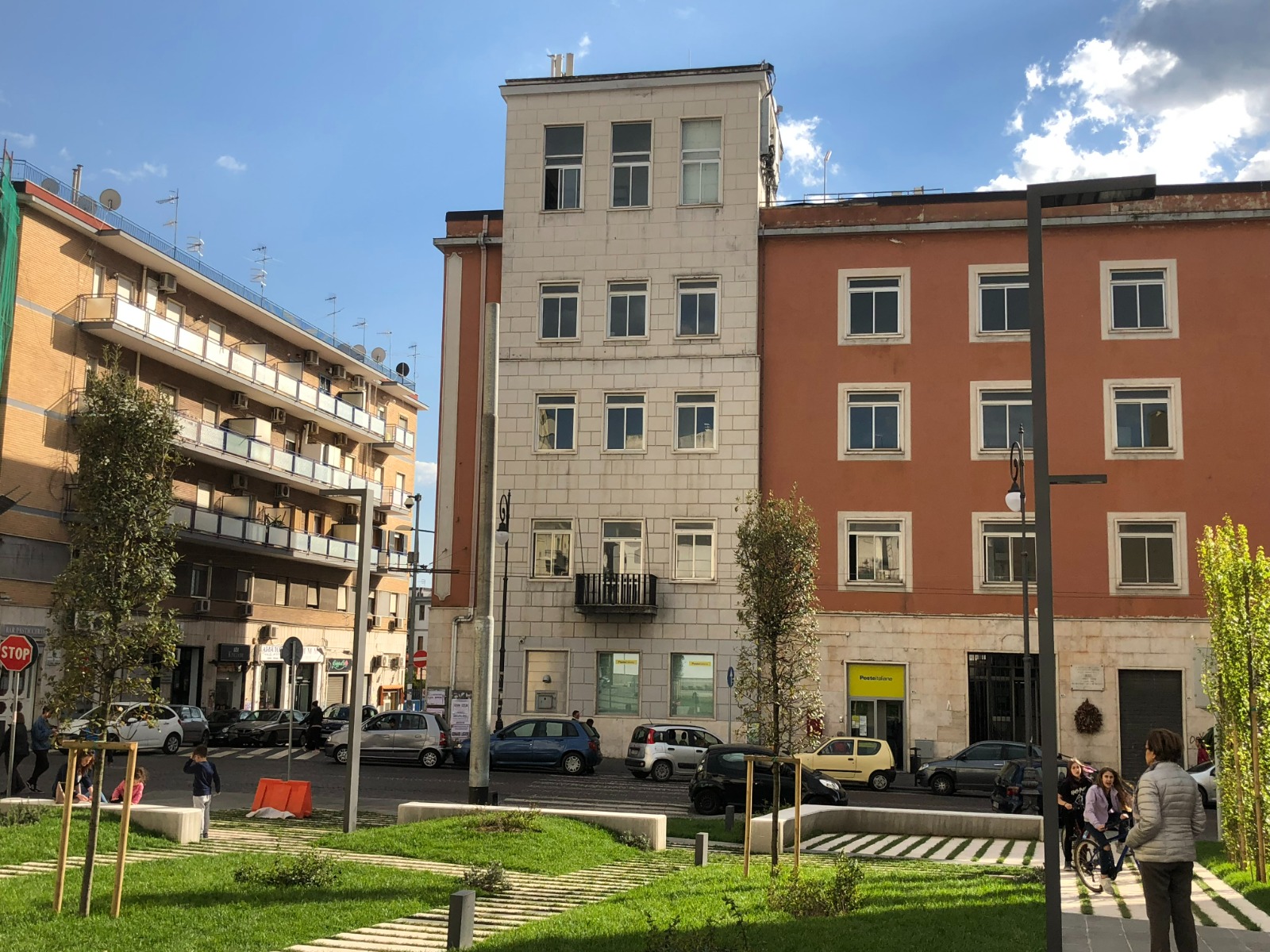
Situated along Via Garibaldi, in the former Piazza del Tribunale, the project required careful planning and coordination due to its proximity to historic buildings. Continuous vibration monitoring was carried out throughout excavation and piling operations to protect the surrounding structures. The works also involved relocating an electricity substation, while maintaining close coordination with the relevant archaeological heritage authorities. During excavation, historic Bourbon-era underground passageways were discovered and preserved with the assistance of speleologists. The car park's layout was subsequently adapted to accommodate these archaeological features, demonstrating the importance of combining engineering requirements with heritage conservation.
A New Urban Facility for Portici
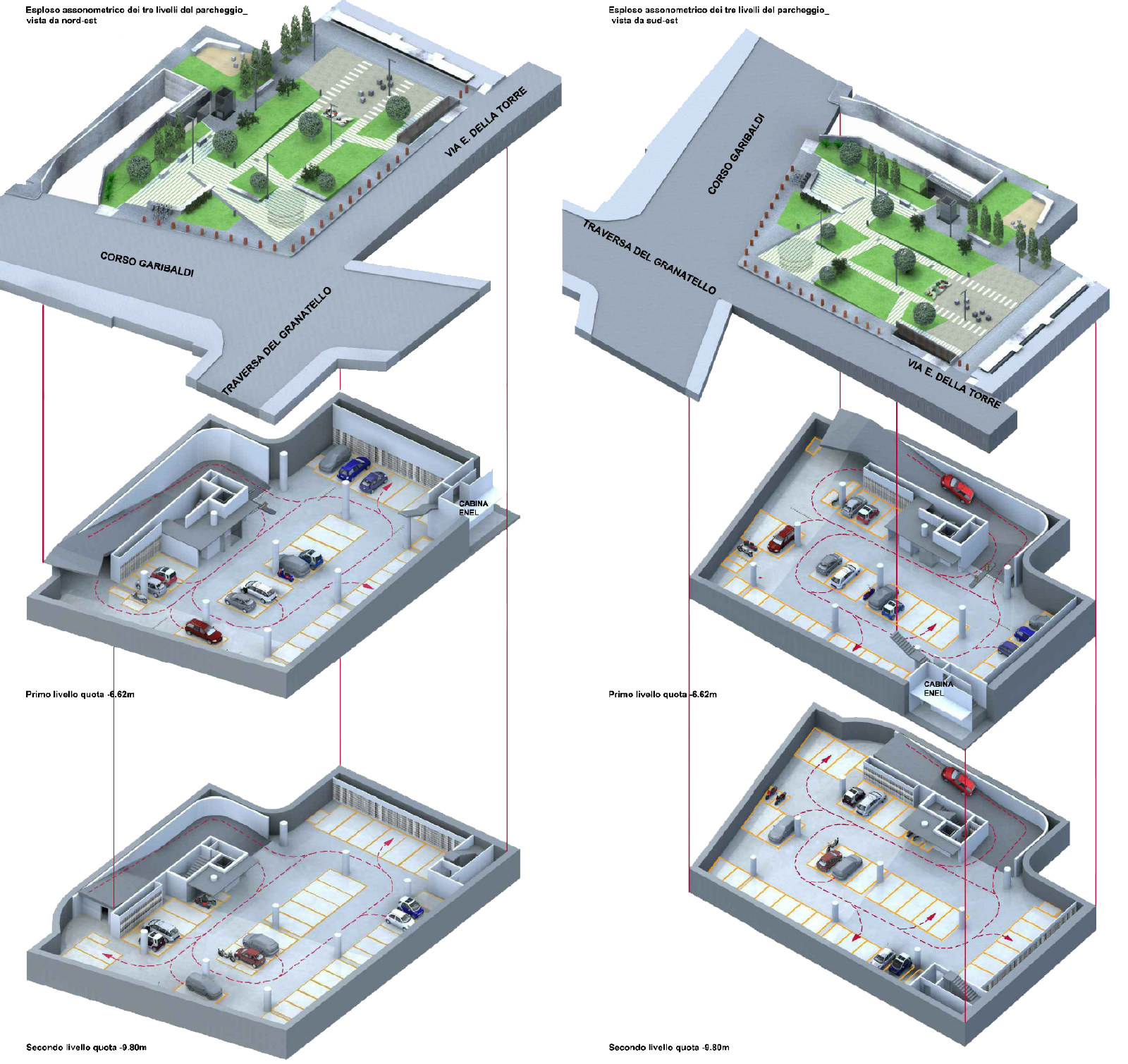
Officially opened in 2018, the underground car park extends across two levels and provides 80 parking spaces. The project involved an investment of approximately €3 million and was delivered in under four years, from design and construction through to the facility becoming operational. Its completion reflects effective cooperation between Corbo Group and the local public administration, demonstrating how complex infrastructure projects can be successfully integrated into densely developed urban environments.
Modern Design.
Through a unique combination of engineering, construction and design
Luxurious Facilities.
Through a unique combination of engineering, construction and design
Infrastructure That Creates Lasting Value
The Portici multi-storey underground car park demonstrates Corbo Group's ability to combine engineering expertise, innovative construction methods and urban regeneration within a single development.
By creating new parking capacity below ground while returning public space to residents above, the project has contributed to improving the functionality and quality of the historic city centre.
A development that brings together infrastructure, archaeological conservation and community value, creating lasting benefits for the city.